Understanding Ghassan Hage’s White Nation and Against Paranoid Nationalism – The Conversation 20 July 2023

https://theconversation.com/ghassan-hage-is-one-of-australias-most-significant-intellectuals-hes-still-on-a-quest-for-a-multicultural-society-that-hopes-and-cares-206753

t is 50 years – two generations – since then Immigration Minister Al Grassby launched the idea of a multicultural Australia at a Melbourne conference in 1973. Ghassan Hage, Professor in Anthropology and Social Theory at the University of Melbourne, and currently visiting scholar at the prestigious Max Planck Institute for Social Anthropology in Halle, Germany, has become the most significant intellectual commentator on multicultural Australia of the second of those generations.


The Racial Politics of Multicultural Australia – Ghassan Hage (Sweatshop)
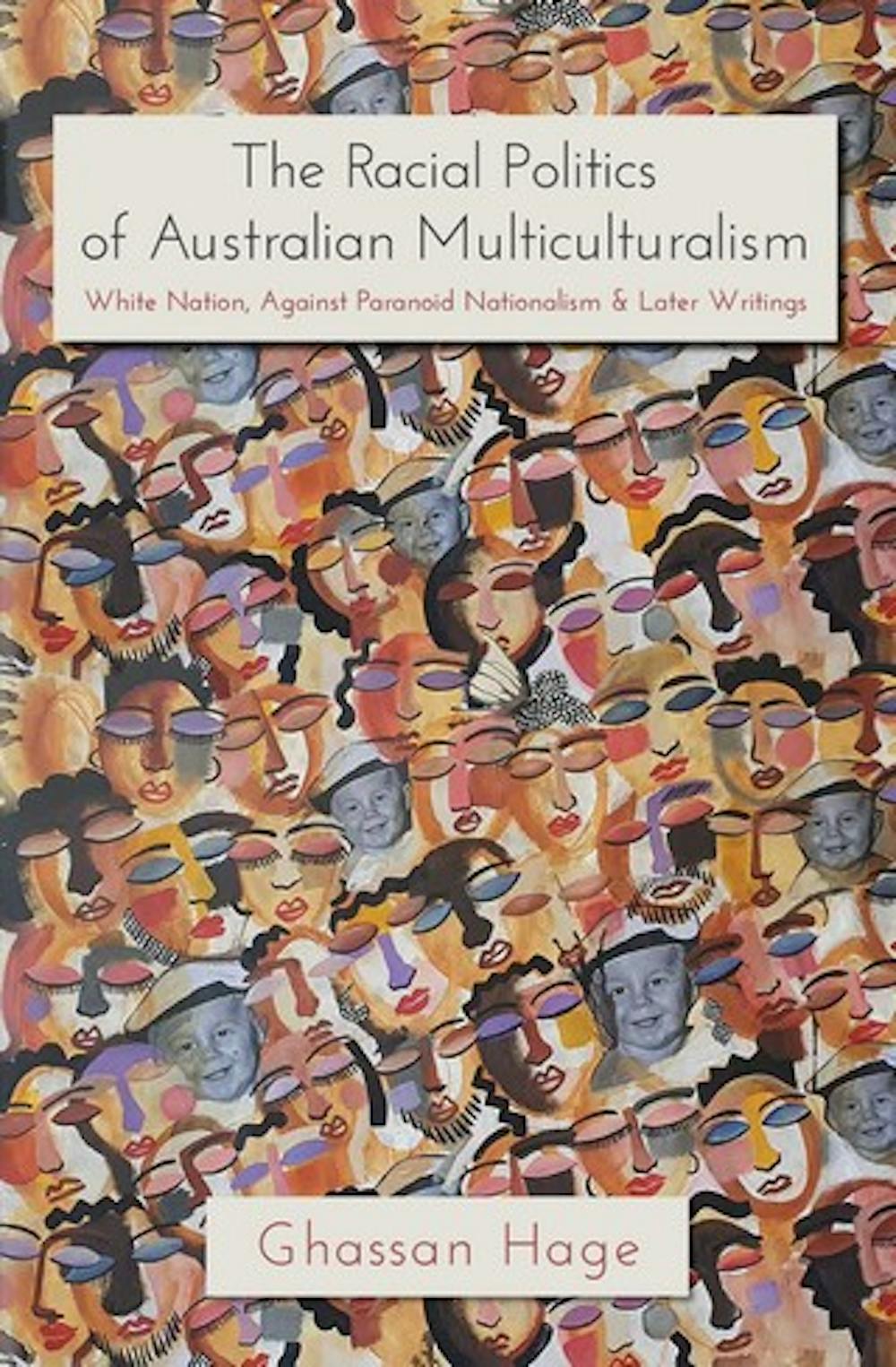

The publication of The Racial Politics of Multicultural Australia by the Sweatshop Literacy Movement represents a significant collaboration. Hage is an Australian Arab immigrant, whose forebears came to Australia in the 1930s and settled in Lithgow, where they established a clothing factory. Sweatshop is an urban political project created in western Sydney by a younger generation of Australians from Arab and other immigrant and refugee backgrounds.

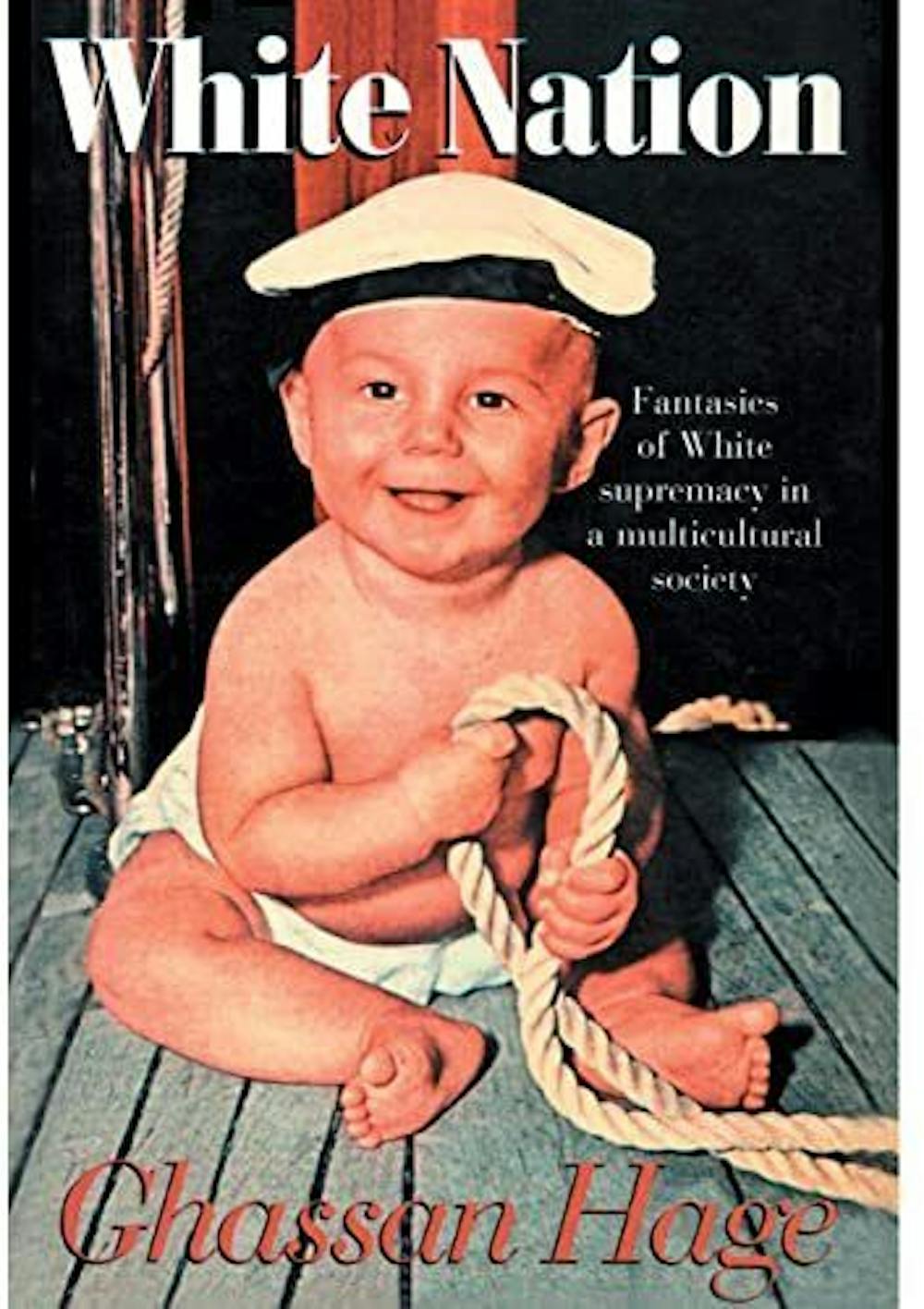
The volume contains two of Hage’s early books, White Nation (1998) and Against Paranoid Nationalism (2003), and some later essays exploring the place of racism in the rhetoric and practice of Australian multiculturalism. The foreword has been written by “critically conscious daughters and granddaughters of Lebanese, Palestinian and Egyptian immigrant and refugee settlers”, who acted as a reference group for the republishing project.

While the republished works were mainly written early in the second generation, their continuing relevance is both salutary and disturbing. The issues they raise remain deeply embedded today. Yet they also reveal how much has changed. There is a growing acceptance among “multicultural Australians” of the consciousness that Sweatshop advocates, and a moral rejection of much of the situation that Hage condemned.

Hage’s work began to take shape in reaction to the still-dominant Labor multiculturalism of the last years of prime minister Paul Keating. Hage argued that both Labor and the Coalition’s rhetoric and celebration of multiculturalism masked an ongoing reality of racial hierarchy and White privilege.

This privilege, Hage wrote, was bolstered by the capacity of official multiculturalism to authorise certain types of diversity, placing some within the boundaries of acceptability, while excluding others. Yet even behind that veneer there lies – or wriggles – another reality, where only White people are secure enough to unselfconsciously lay claim to the right to define the nation.
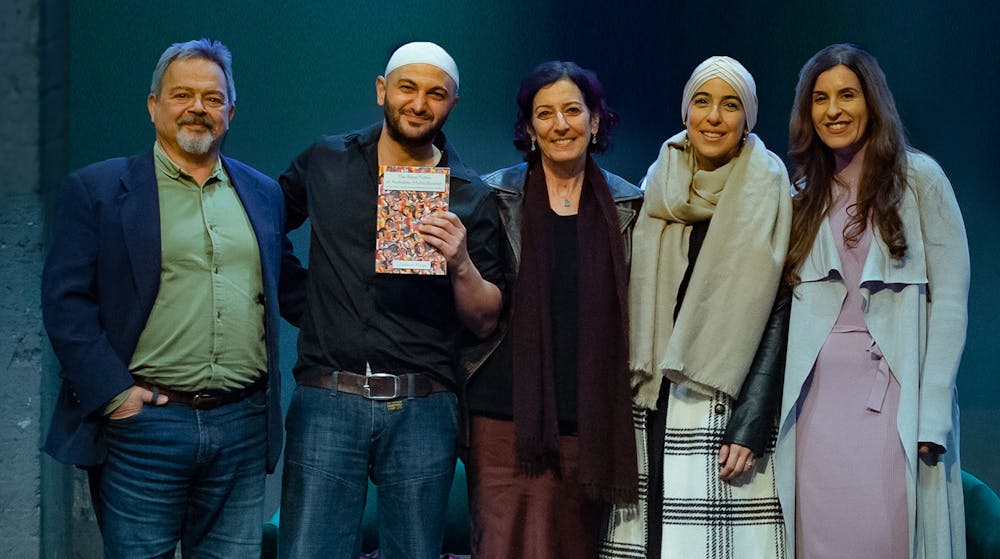
Ghassan Hage with Michael Mohammed Ahmad, Paula Abood, Sara Saleh and Randa Abdel-Fattah from Sweatshop at the 2023 Sydney Writers Festival. Image: Sweatshop Literary Movement

What is a White person?

Let’s begin with a critical question: what is a White person?

For Hage, it is a self-referential category into which White people put themselves. That is, people who think of themselves as White are White people.

It is not an ethnic label, in the anthropological sense that it has determinable mores, values and common histories that can be empirically discovered – though values and orientations are indicative. Nor is it racial, in the older sense of race as a bio-social category, with shared DNA clusters associated with territories of origin.

Rather, it is a “fantasy position” born out of colonial history, one that is essentially European. It is imagined to be rooted in the stories of north-western Europe: stories of empires won and an Enlightenment project sustained.

Reality, for a very disparate non-White world, is rather different.

Hage’s non-White world is focused on the Levant and its diasporas. It is important to understand the contradictions, for Hage, of being from Christian Lebanese stock (even without any theocratic perspective), yet oriented towards the metropolitan culture of Paris, where he studied under the sociologist Pierre Bourdieu at the School for Advanced Studies in the Social Sciences.
Hage came of age within the Lebanese Civil War. Christian fascism and the Phalange, vied with trans-Arabism and an increasingly radicalised Islam. The European, anti-colonialist, democratic, non-sectarian left also sought to find a space. These contradictory and complicated intertwinings of love and hate have drawn Hage today to a focus on the struggle of Palestinians under the Israeli occupation.

Such different realities are Hage’s project. His lifetime has been committed to exploring, exposing and unravelling the dynamics through which different pictures of the world are formed in minds, cultures and social practices, and the way these pictures are contested, hidden, revealed and sometimes purged.

The underlying frameworks, shaped by class and culture, have been forged by imperial adventures and their often murderous consequences. While Hage writes about “race”, he reminds us this is not the “race” of the initial imperial invasions. It is race introduced from another place, then subjected to the tortuous compression of settlement and the normalisation of Otherness.

Hage warns us often that he recognises the power that sought to create the “Aboriginal race” in what became Australia. Though the reality of Indigenous oppression pervades his work, he does not address it directly. But he does suggest the power of the invaders has developed into a pervasive system of racialised control.

The power to set the agenda is the scaffolding that defines the struggles of the Australian nation. The everyday conceptions of who belongs, who can claim to say who can belong, and the consequences of these types of statements, set the conditions of possibility for the nation “going forward”.

“Race” lubricates this conceptual mechanism, making it move smoothly for some, while remaining slippery and dangerous for others.


Read more: Racism of rigid legalism greets asylum seekers and their kind


White Nation

In White Nation, Hage draws on two methods: one provided by his studies with Pierre Bourdieu in Paris, and another developed in the social anthropological space of ethnography and listening.

The Bourdieu dimension translates a Marxian view of class (as in, ruling class) into a less homogenised constellation of power. In this view, cultural capital draws together skills, knowledge, languages and even “looks” that enable the individuals who have them – and, importantly, share them with others – to replicate those forms, reinforcing their value and authority.
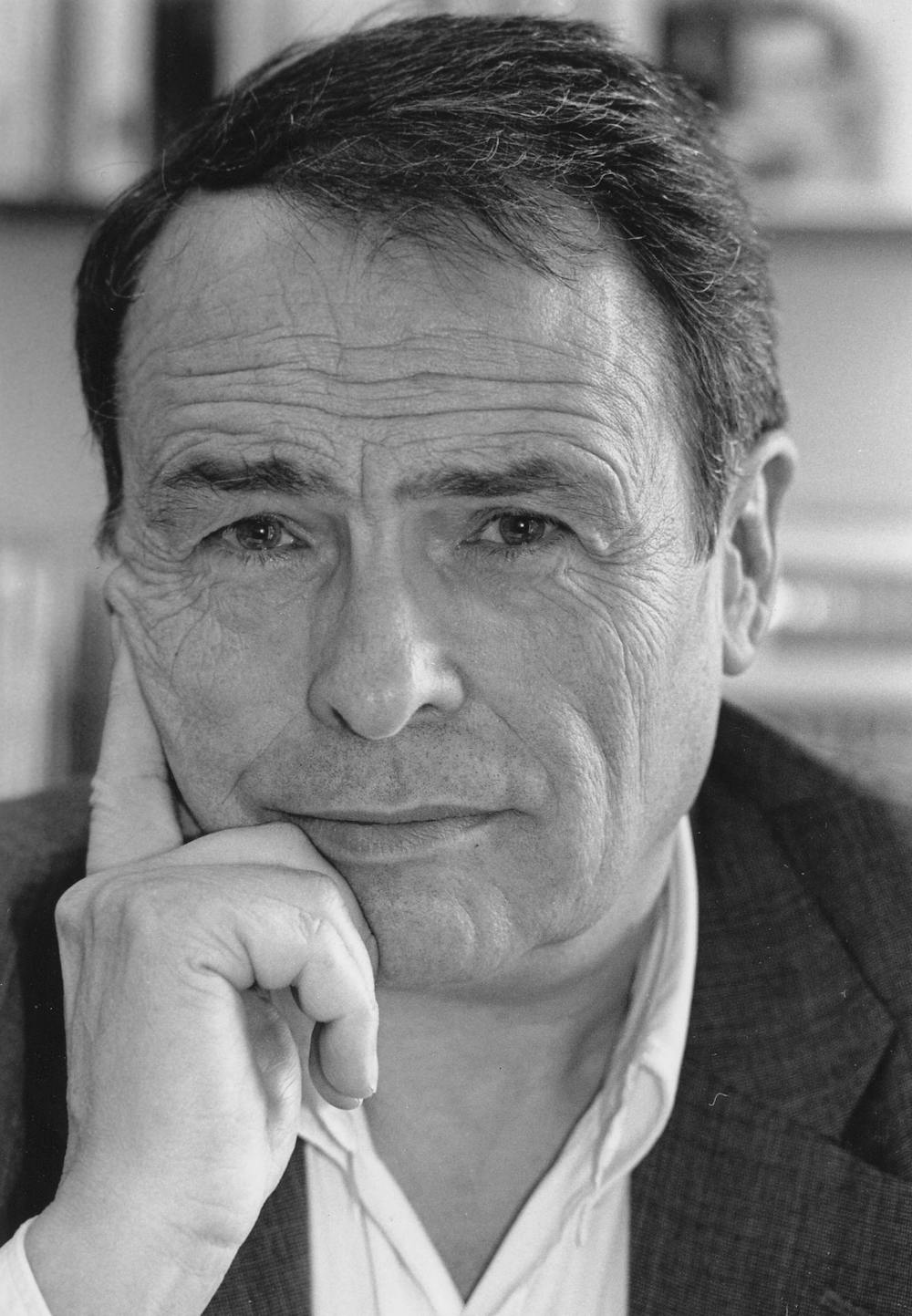
Influential sociologist Pierre Bourdieu (1930-2002). Bernard Lambert/Wikimedia Commons, CC BY-NC

Among his many sources, Hage draws on letters to the editor, which provide a wealth of narratives to be unpicked. White people, suggests one letter, are more immediately seen as Australian (part of the dominant cultural group), even when they have only recently arrived. Others who have different “looks” – those who wear distinctive clothes, for example (the headscarf is a marker of difference) – aggravate. Racial and gender power is exerted through “tearing off the veil”.

Hage proposes that multicultural policies contain, at their heart, the logic that those who advocate and celebrate tolerance are capable of being, and perhaps have been, intolerant. “Mutual tolerance”, in other words, is only possible between parties who have the power to be intolerant of each other. The multicultural edifice thus depends on intolerance – an intolerance that is contained within boundaries of acceptability, but always pressing to escape.

In a racially demarcated social space, not everyone can be tolerant. The least powerful do not “tolerate” their racist harassers. They may avoid them, or be subjugated by them, or resist them, or seek to form an alternative ethnic will.

For Hage, the dark arc of refugee incarceration demonstrates the nature of this interaction, and how it is narrativised in the cause of creating a “good” multicultural nation. The nation’s tolerant multicultural goodness is constantly being challenged by “bad” ethnics: those people who seek refuge “illegally” in Australia, or contest the hegemony of Whiteness in other ways.

As Hage notes, White multiculturalism evades any commitment that “we are a multicultural community in all our diversity”. Rather, “we” only acknowledge our diversity when we can calculate a value that can be attached to that portion we select to notice.

Moreover, argues Hage, these views, be they for or against multiculturalism, all stand upon an edifice that assumes White superiority – and fantasises Australia as a place in which White superiority “should reign supreme”.

The politics of White decline

In the decades since White Nation first appeared, the politics of White decline have become an increasingly mainstream concern.

The current debate over legislation banning Nazi symbols, ASIO’s warnings about the apparent spread of White power groups and the devastation caused by online racism have positioned the White-decline narrative as a central threat to social order. This narrative played a key part in the anti-vaxx movement, despite the multicultural makeup of that movement.
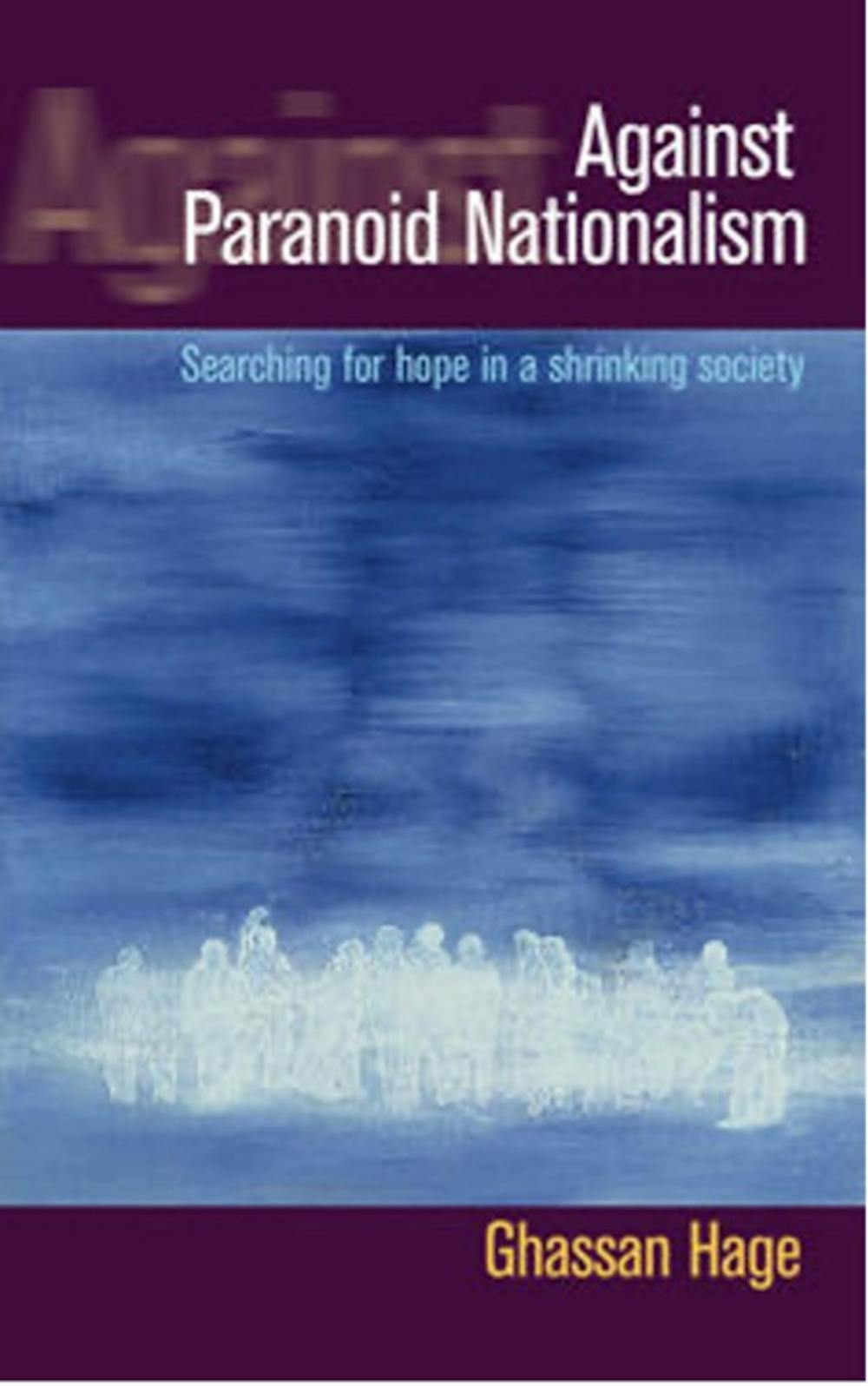
Some of this was already emerging when Hage published Against Paranoid Nationalism in 2003. The primary focus of anti-migrant sentiment the 1990s had been on “Asians”, particularly Indo-Chinese refugees, and the emerging urban phenomenon of youth gangs and triads. The events of 2001 shifted this focus. A national paranoia erupted, generated locally by “Arab” drug lords and rape gangs, and globally by Islamist attacks on Western targets.

By the time of the invasion of Iraq by Western forces including Australia in 2003, Hage had two strong characters in public life who represented and intensified this paranoia: the then prime minister John Howard, victorious in 1996, and Pauline Hanson, who entered parliament that same year as a disendorsed Liberal Party candidate. Hanson alluded to their apparent political symbiosis when she spoke of the perception that racial tensions were being “inflamed by me and condoned by him”.

Both played a role in White Nation – but they foreground Against Paranoid Nationalism.

Worrying and caring

In Against Paranoid Nationalism, Hage proposes that two opposing stances – worrying and caring – establish the parameters of the narcissism and paranoia engulfing Australia.

Worrying about the nation’s present and future breeds an intense fear and hatred of outsiders who might threaten the interests of those who claim a unique right to worry. Colonial history, as a contest of explanatory and emotional narratives, becomes a struggle between conservative critics of “black-armband” perspectives on colonialism, and progressives searching for an alternative way of thinking through the possibility of an non-paranoid, inclusive identity.

The book, more of a compilation of linked essays, opens with an argument that neoliberal economic theory reshapes the social into a market, where individual interests emerge paramount and communal sense fragments and dissipates. What holds such a society together is the cultivation of images of threat.

Only strong and selfish stances are considered sensible and authorised by the state. It claims alone to stand against the threat from without – exemplified by asylum seekers and Islamist terrorists – and threats from within, from Indigenous challenges to the colonial project, and ethnic enclaves that emerge like cancers.

The state “worries” for the national project and those who support it. In the process, people become less willing to hope for a more caring future.

Against Paranoid Nationalism ends with a reference to what Hage calls the Black Economy – that is, an economy that depends on the theft of Aboriginal land. Even the “social gifts” that recognise the presence of individuals, and to some extent succour them, are a consequence of Australians being receivers of stolen goods.

Hage concludes that “our colonial theft […] will remain the ultimate source of our debilitating paranoia”, forcing us to worry and never really letting us care.

Against Paranoid Nationalism, together with the later essays collected in The Racial Politics of Multicultural Australia, offers a readable and challenging engagement with the issues that confront us today as a multicultural nation – one with a history of colonial invasion, but which is, by daring to hope, seeking not to have a racist future.

Hage has made a singularly powerful contribution to our understanding of Australian and global racism, and the politics of domination and resistance. He recently celebrated his mentor, Bourdieu, in a series of European lectures. Bourdieu, I am sure, would be proud of his student. We are all the better off for Hage’s eclectic, systematic, imaginative and penetrating assessment of the human condition in this time of late imperialism.

Ghassan’s Response/reaction from Facebook

https://www.facebook.com/plugins/post.php?href=https%3A%2F%2Fwww.facebook.com%2Fghahagea%2Fposts%2Fpfbid02RsrSP1UTwxSaNxxtMgW73utmTRs5EyU36ejEYRe8KQMVKVgPKiiXdwgQTEdgvTqYl&show_text=true&width=500

This review means a lot to me. some history. In the early 1980s I had come back from my studies in France (1982-83) and was writing my PhD on Lebanese Christian modes of identification during the Lebanese civil war at Macquarie University. At university I was part of a group of Marxist PhD students organised around Mervyn Hartwig and Rachel Sharp known as The Friday Group. We met almost every Friday, had dinner, drank a lot of wine and debated till very late at night, at Mervyn and Rachel’s house, the primacy of class, the primacy of the mode of production, the primacy of anything Marxist really. These debates were important for my thesis. I was deeply immersed in the literature concerning the nature of the Lebanese conflict: is it a class conflict or is it a confessional conflict? Are ethnic conflicts a mystification of class conflict as some ‘vulgar’ Marxists would have it or do they have to be understood in their own terms? The Lebanese war was accompanied by an intellectual war between Marxist- and Weberian-inspired analysts. and though living in Australia I saw myself as participating in this war.

But then, in the Friday Group, there were a couple of people, Mary Kalantzis and Bill Cope, who worked at the University of Wollongong and were deeply involved in the politics of Australian Multiculturalism. Through them, it quickly became clear to me that the academic debates around multiculturalism were not dissimilar to the debates regarding Lebanese identification: ethnicity or class? Marx or Weber? and the politics around multiculturalism was also accompanied by an intellectual war that was just as intense as the intellectual scene in Lebanon, between radical political economic critique of multiculturalism that highlighted class forms of domination and Weberian conservatives, or at least who were portrayed as conservative by us Marxist (for, to be clear, I was no innocent non-partisan bystander in this conflict).

It was in this scene that I became familiar with the name of Andrew Jakubowicz who was the director of the Centre for Multicultural Studies at the University of Wollongong then. He was basically the star of the anti-Weberian camp leading the class warriors against his very own supervisor Sol Encel, a conservative Weberian. I still have a vision of Andrew arriving to speak at a conference around Multiculturalism at Wollongong where he was attacked by Encel and others in a pre-circulated paper. He arrived and he was truely our radical prince: intellectually and politically sharp, but also charismatic and as spunky as an intellectual can be.

This is enough I think to make you understand why this review is not like any other review for me. But as will be clear when you read it, Andrew has really read or re-read The Racial Politics of Australian Multiculturalism. I am very grateful to him for the labour he has put into writing this.

How will Sydney’s ethnic groups vote in the NSW State election, and what difference will it make?

A provocation

https://iview.abc.net.au/video/NSWX2023102138510

The key electorates that most likely will determine the NSW election lie in a cluster through the centre and west of Sydney. This piece deals with two of the electorates (Kogarah and East Hills the closest for each of the major parties) but readers can do their own arithmetic in seats in which they are interested. The ABS provides good summaries for all state electorates based on the 2021 Census. I will do a wider post-mortem next week.

If we look at elections where ethnicity has been salient, they have certain features. Governments are on the nose due to corruption, and their leaders carry the opprobrium of corruption and racism. Rather than moral leaning and personal self interest framing voters’ decisions, they have been elections where voters have been personally angry about issues and behaviours that have made them personally uneasy. This election is being held in the wake of COVID, when lock-downs, surveillance and harassment were widely active in western Sydney. Values triggered there include opposition to vaccination, frustration with job loss and financial stress.

Taking these factors into account I think that the ALP will have a more difficult time than often predicted in winning enough seats to form even a coalition government, especially in the optional preferential environment where protest votes that might have tended back to Labor may well dissipate. With an anti-vax and anti-lockdown group running, and One Nation and other conservative groups looking to play to conservative anxieties, the dissipation of votes in many ethnic communities may be quite high. Also Perrottet was the politician who adopted the most anti-vax position from the outset and argued most strongly against COVID control measures (business closures, social distancing, mask wearing}. He was the closest Australian politician to UK prime minister Boris Johnson with his let-‘em-rip approach.

In this context I want to look at two ancestry groups. Usually they need very strong reasons to activate their concerns about racial marginalisation. The Census provides a raft of characteristics to help us understand cultural diversity. These include Ancestry, country of birth, parents’ country of birth and language spoken at home.

In Kogarah, ALP leader Chris Minns holds the seat by a whisker. In 2021 the seat had 71.5% of households where a non-English language was spoken, with 25% either Mandarin or Cantonese. While Nepali and Greek speakers are also significant, the Chinese community, if it acts in one mind,  will decide the outcome. After some difficulty in finding a candidate the Liberals chose Craig Chung, a moderately well-known business figure in the Chinese community. The Chinese communities have no particular reason to hate Perrottet – as they did when they helped knock off John Howard in Bennelong in 2007, and Morrison everywhere in 2022. While the bend towards conservatism among the Chinese may be offset slightly by a more ALP tendency among Nepalis, the Orthodox and Catholic members of the Greek and Lebanese communities were amongst those who voted against same-sex marriage back in 2017. While there is no Christian bloc candidate, Perrottet is also a safe bet. Also Minns has been leading his state campaign elsewhere, leaving Kogarah fairly open for Chung to appear everywhere, including doing Chinese community radio. Independent Troy Stolz, running on an anti-pokies platform, may also draw votes away from Minns.

Some of these same factors operate in East Hills, a nearby Liberal electorate held by Wendy Lindsay and being contested by Kylie Wilkinson for Labor; the women have similar profiles as active local community participants. A classic multicultural electorate that spreads from Bankstown through Panania to Revesby, 50% of residents use a language other than English. The main ethnic groups include Lebanese, contributing to the 13.6% the population who espouse Islam, and 12.9% who use Arabic at home. Chinese and Vietnamese speakers make up about 7% each. It is also a religious electorate, with less than 20% claiming no religion (Australia is 38%), while 25% are Catholic and 8.2% Eastern Orthodox; again. This suggests an attraction towards the more socially conservative views of a Perrottet-led government.

Based on previous elections and voting tendencies, I would not be surprised if Wendy Lindsay retained her seat, while Craig Chung becomes the new member for Kogarah. Labor could still become the government, but it would be as a minority and perhaps without Chris Minns in the driving seat. However as the pundits have noted, with a multitude of parties and candidates, and dissipated preferences, anything could happen.

Why Harmony Day is a con… and what about Australian racism it is trying to hide.

ABC Story link

Harmony Day a ‘con job’ to avoid talking about racism

Andrew Jakubowicz, a professor of sociology at the University of Technology Sydney, describes Harmony Day as a “con job” designed to avoid addressing questions about racism.

“It’s all about making people feel that there’s really no problem with people who are different from them, and if you share food from different countries and you dress up in different clothes and everyone sings and dances, then the whole problem of racism disappears,” Professor Jakubowicz said.

“In terms of addressing the causes and processes through which racism is reinforced, it set that back dramatically.

“If you can’t talk about what is actually going on, and address the dynamics that are actually occurring, then you are guaranteeing that they will continue to be problematic and cause deeper and deeper hurt and destructiveness in Australian society.”

Professor Jakubowicz spent 15 years trying to get his hands on the secretive research, commissioned by the Howard government following the Coalition’s 1996 election win, which formed the basis for the launch of Harmony Day.

He says then-opposition leader John Howard opposed the Keating government’s plan to criminalise hate speech, and committed a Liberal government to establishing an “education campaign” instead.

Let’s talk about racism this Harmony Day

The United Nations marks March 21 as the International Day for the Elimination of Racial Discrimination, but we celebrate it as Harmony Day, writes Erwin Renaldi.

Colour photograph of women with heritage from Africa and Asia at a multicultural fashion festival in Tasmania

Read more

“Howard won the election and, soon after that, began the process of trying to work out what to do with his promise,” Professor Jakubowicz said.

Against the backdrop of a growing One Nation and a push against political correctness, the Howard government commissioned surveys into race and racism.

“What they came up with was something that shouldn’t have surprised them but worried the researchers, and it definitely spooked the government,” he said.

Professor Jakubowicz says the study found “racism in general was quite widespread in the Australian community, particularly against Indigenous people, but also against immigrants”, but there was “antipathy” towards addressing the problem.

“In the research, the researchers came across this notion that the only term that they could get a majority support for in qualitative and quantitative research was that people supported the idea of a harmonious society,” he said.

“The harmonious society depended on other people not behaving in ways that made me, you, I, discomforted.

“That’s where Harmony Day came from.”

KEY DOCUMENTS

https://andrewjakubowicz.com/publications/antiracism1998/ and https://andrewjakubowicz.com/publications/living-in-harmony-1998-2001-campaign-and-evaluation

The Degradation of Data in Multicultural Australia

The Degradation of Data: why Australia knows so little about its multicultural realities


Submission to the Multicultural Framework Review Draft Terms of Reference.

Andrew Jakubowicz PhD FRSN FASSA

Emeritus Professor of Sociology
University of Technology Sydney

Consultant Sociologist

3 March 2023

Context

As the Draft Terms make clear, it has been many years since Australia’s institutional capabilities in relation to multicultural policy have been reassessed. The Framework Review is thus a welcome initiative. As a scholar of and participant in the development of multicultural Australia since the 1970s (initially as a member of the NSW Migrant Task Force reporting to Immigration Minister Grassby) I recognise that there are many issues that will need to be addressed. However not all of these have been identified in the draft Terms of Reference, most importantly the critical role that will be played by evidence-based policy which depends on well-considered structures of data collection, analysis and application which is totally missing leaving the Terms seriously flawed.

Current Challenges in the Data field

Over the past three years as the COVID pandemic has affected Australian society, it has become clear that the knowledge base associated with multiculturalism is seriously degraded and operating with declining effectiveness; scholars in the field have long known this, identifying its inception to the closure in 1996/97 by the incoming Howard government of all the key knowledge and policy institutions created out of the 1978 Galbally review (eg Office for Multicultural Affairs, Bureau of Immigration, Population and Multicultural Research).

My comments are derived from my history of research while an academic, and my recent professional engagements as:

  • Member Commonwealth Department of Health and Ageing advisory group on COVID and CaLD communities (especially Data working group)
  • Analyst Vaccination Task Force, Commonwealth Dept of Health and Ageing
  • Senior Advisor Cultural and Linguistic Diversity, Royal Commission on Disability
  • Lead consultant Waverley Council (NSW) Cultural Diversity Policy and Plan
  • Consultant Sydney Migrant Services:  Report on Multiculturalism and the Community: looking back and looking forward
  • Author on politics of multicultural communities The Conversation (475000 reads)

There are at least four reasons for this failure in relation to Knowledge Data and Evidence that are apparent to me as a sociologist concerned with this issue. I submit that these dimensions should be addressed as part of the terms of reference.

  1. The concept of Cultural and Linguistic Diversity (CaLD) has underpinned data collection policies of Australian governments since 1999. It was designed to replace the term “non-English speaking background” which had become common after the ABS retired the concept of “Race” after the 1966 Census.  In detail,  CaLD requires four different criteria in its simplest form – born overseas in a non-English speaking country, speaking a language other than English at home, level of proficiency in English, and Australian Indigenous status. However it is rarely applied in totality leading to many mistakes in policy and practice – for instance the NDIA only discovered in September 2021 that its CaLD data included about 20% of people who were Australian indigenous language speakers and who were double counted.  Moreover the emphasis on intersectionality identified in many recent government policy papers appears totally missing from the Terms of Reference.

  2. The Racialisation of Australian policy language in the wake of Black Lives Matter has revealed other data problems. The current Terms document talks of “second generation plus migrants”, which is extremely confusing in its application, let alone what assumed model of society underpins it. It may refer to ongoing racist responses in society to inherited physiognomy, or the continuation of cultural practices brought by the migrant generation which are sustained by their descendants (eg dance, dress, language or religion), or contradictory identities experienced by descendants of immigrants, or many other possibilities. Recently the Diversity Council of Australia has promoted the idea of cultural and racial marginalisation, abandoning linguistic diversity as an issue (or implying it is included in culture where relevant). Unlike other comparable societies, Australia has no data marker for race, a consequence of a decision after signing on to the UN Convention on the Elimination of Racism in 1966 to accept the UNESCO directive to remove “race” as a social descriptor. “Australia uses “racism” in many contexts but it has never been defined, not even in the Racial Discrimination Act. The Review should address and seek to resolve this issue.

  3. Governments are apparently apprehensive about what the data would show in relation to inequities in the health and other social systems; they have no communication strategy to manage their fears and so lock down even the collection of “dangerous” data. Throughout the COVID pandemic, governments have been reluctant to use the CaLD core data points in assessing the testing, infection, morbidity and mortality of the virus on communities. Mortality data are only available far after the date on which the deaths occurred yet even so have revealed massive inequities with high multiples of deaths among first generation migrants compared to the general population. Fierce resistance by the NSW government to collecting data on language spoken by people being tested resulted in much greater infection and morbidity than might otherwise have been the case, despite pilot work in Victoria demonstrating the effectiveness of using this data to identify priority groups for contact who had low testing numbers. The dynamics of this problem, replicated in all states except Victoria (though not used, thus having the same negative outcomes) and recognised and implemented by the Commonwealth only late in the day, was revealed by the extraordinary progress made once vaccination started and the vaccination data could be enhanced by correlations with the CaLD data in the 2016 Census under the MADIP program. The AIHW used a similar approach in its latest report on chronic illnesses and CaLD health. This situation of government data hesitancy should be a matter of priority for the Review as it is the best documented expression of the degradation of data and the conscious refusal by government to collect and use data that would have had major health benefits to Australia’s multicultural communities. The situation continues, with COVID deaths currently heavily concentrated in migrant elderly cohorts, without public recognition or apparent government concern.

    4. While the Review purports to reference a national multicultural framework, it does not identify the roles of state, territory and local government as requiring specific attention. The data problem is magnified by the different attention and interest of these many spheres of government in ensuring the effective collection and application of data, and their orientation to the empowerment of multicultural communities in the conversations with government and their agencies. Having seen first-hand what the confusion, tension and impact of these un-coordinated spheres has proven to be, with destructive consequences for the well-being of communities, especially their most vulnerable members, it is imperative that the Review identify, explore and address these issues.

Summary of additional proposed inclusions

The Terms unfortunately contain confusing and limited perspectives on the issues that should be addressed. In our 2013 chapter in “For Those Who’ve Come Across the Seas…: Australian Multicultural Theory, Policy and Practice” on the still outstanding issues in multicultural Australia, Assoc Prof Chris Ho and I identified three broad issues –
·       the need for a reinvigorated and systematic Research framework and network to improve evidence, data and build deeper and inclusive knowledge,
·       a process that deals with Representation in its two meanings of political voice and socio-cultural presence, and
·       Recognition of the multicultural realities through legislative and institutional reform, including engagement with intersectionality (gender, age, sexuality, disability, social class, locality) .

The current Terms reflect some of the second two ideas, though in a far too limited and confusing way.  No reference to Research, data or evidence- based policy appears in discussion or  in the Draft Terms. While there has been a hint in pre-Election statements by the minister that this Data issue might be addressed in a separate exercise, without this Term being incorporated into the heartland of the review process, the Framework Review will most probably fail the Australian people.


ENDS


Andrew Jakubowicz BA PhD FRSN FASSA

Emeritus Professor

School of Communication
Faculty of Arts and Social Sciences
University of Technology Sydney
PO Box 123
Broadway NSW 2007
Australia
+61(0) 419801102
S: @ajakubow
Recent book: Cyber Racism and Community Resilience
Blog: Andrew Jakubowicz Sociologist
Blog: On The Conversation
W: The Menorah of Fang Bang Lu
W: Making Multicultural Australia